
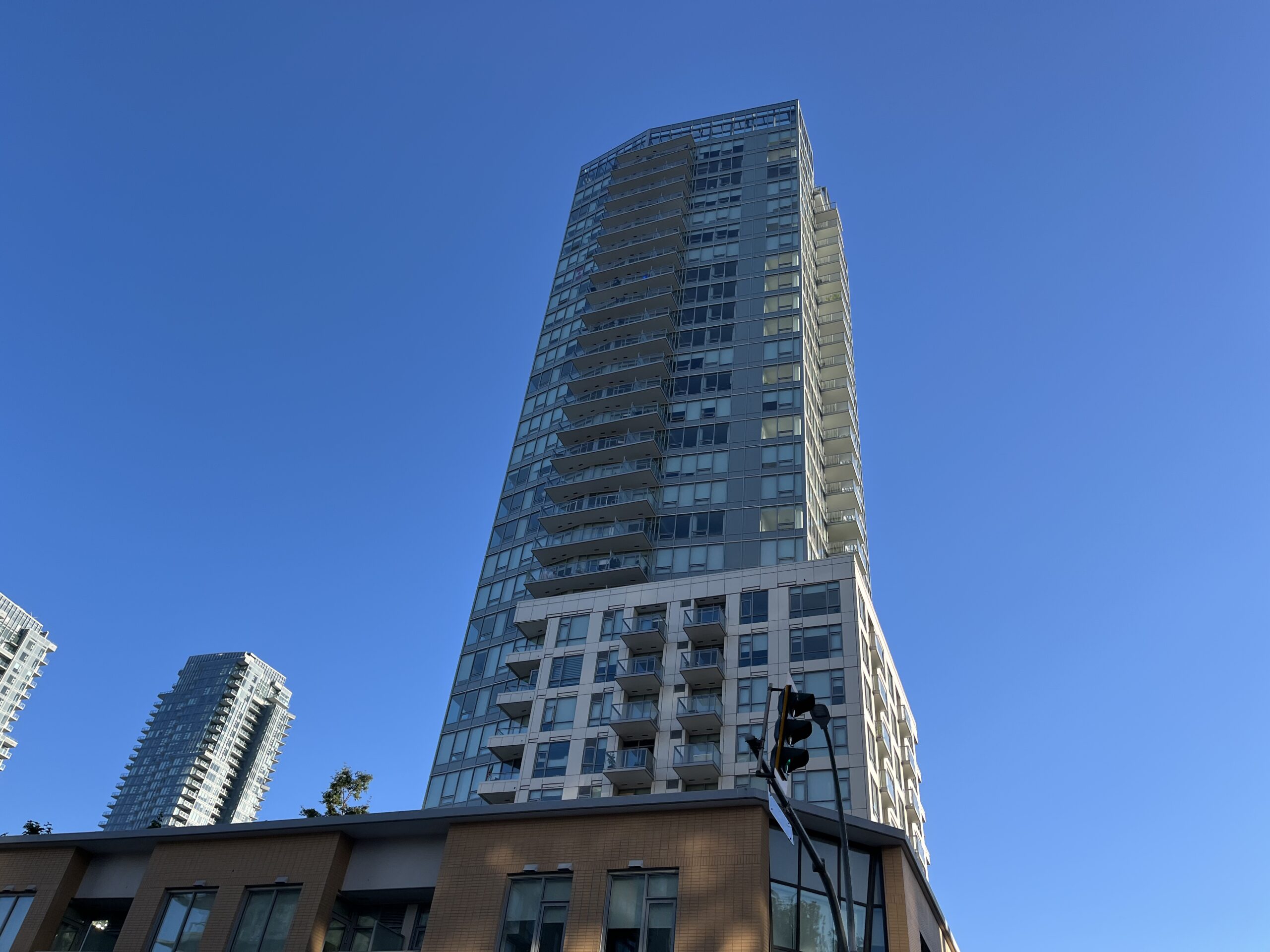
If you are buying or selling property in Vancouver, one of the first things you will want to understand is how realtor commission works. Many home sellers and home buyers assume there is one standard realtor fee across British Columbia, but that is not exactly how the real estate industry works. In reality, realtor commissions are negotiated between the client and the real estate professional or real estate brokerage. There is no fixed commission set by CREA, and commission structures can vary by agent, brokerage, service level, and property type.
That said, there are still common fee patterns in Greater Vancouver. Many sellers will hear examples based on a percentage of the first 100,000 of the sale price and a lower percentage on the remaining balance. These are common market examples, not mandatory rules. Understanding that difference is important if you want to compare realtor fees, estimate selling costs, and calculate your likely net proceeds after a real estate transaction.
Realtor Commission in Vancouver Explained
In Vancouver, real estate commission is usually discussed as a total commission paid by the seller from the sale proceeds, then split between the seller’s agent and the buyer’s agent. In many transactions, the seller pays both sides through the listing agreement and the commission is paid out from the funds at closing rather than being directly paid upfront.
A commonly referenced Greater Vancouver example is a combined commission of 7% on the first 100,000 of the sale price and 2.5% on the remaining balance, with that total then divided between the listing agent and the buyer’s agent. One common example breaks that down to about 3.875% on the first 100,000 and 1.3375% on the remainder for the seller’s agent commission, and about 3.125% on the first 100,000 and 1.1625% on the remainder for buyer agent commission. Again, this is a common example, not a required standard realtor fee.
In this way, you can really see how the Best Realtors in Vancouver would make so much more since they sell more homes.
Real Estate Fees
When people talk about real estate fees, they are often referring mainly to agent commission, but commission costs are only one part of the total cost of selling real estate. Depending on the transaction, home sellers may also need to account for legal fees, moving costs, mortgage penalties, and other closing costs. Buyers should separately budget for legal fees, inspections, and property transfer tax in British Columbia.
For buyers, it is also important to understand that while the seller typically pays the commission offered to the buyer’s realtor, that does not mean the cost disappears. It is built into the economics of the overall transaction price. So even when a buyer does not directly pay their agent out of pocket, commission still forms part of the broader real estate fees attached to the deal. This is one reason home buyers should still understand how buyer agent commission works.
Seller’s Agent
The seller’s agent, sometimes called the listing agent, is the real estate agent representing the seller. This agent typically helps price the property, prepare the listing, coordinate marketing materials, host open houses, communicate with potential buyers and other agents, negotiate offers, and guide the seller through the selling process.
Because of that, seller’s agent commission often reflects more than simply listing a home on the MLS. It may also cover professional photography, advertising, open houses, coordination with the real estate brokerage, and the time needed to manage the sale from listing to completion. Some agents include more services than others, which is one reason realtor fees can vary.
Real Estate Commission Calculator
A real estate commission calculator can help you estimate how much commission fees may come off your final sale price. In BC, many online calculators use the familiar first 100,000 and remaining balance formula to give sellers a rough estimate of total commission, buyer agent commission, seller’s agent commission, and tax on the commission amount. These tools are useful for planning, but they should be treated as estimates only because commissions are negotiable.
For example, if a property sells for $1,500,000 and you use the common Greater Vancouver example, the total commission would be calculated on the first 100,000 at one rate and the remaining balance at a lower rate. From there, you can estimate the fee paid, subtract likely selling costs, and get closer to your expected net proceeds. A commission calculator is especially useful for home sellers deciding when to sell, how to set a listing price, or whether a discount brokerage or flat fee model might save money.
Commission Fees
Commission fees are usually based on the final sale price, not the original listing price. That means the exact amount paid depends on what the home sells for in the end. If the home sells above asking, the commission rises. If it sells below asking, the commission falls. This is why many sellers evaluate commission costs alongside pricing strategy, market trends, and the likely level of service they will receive from a Vancouver realtor.
It is also worth remembering that multiple real estate agents involved in a transaction may share the total commission. There may be one agent representing the seller and another agent representing the buyer, or in some cases one agent may handle both sides, depending on the structure of the transaction and applicable rules. Either way, the total commission is not always kept by just one person. Often it is shared among the agents and the real estate brokerage.
Discount Brokerage
A discount brokerage may offer lower realtor fees than a full-service Vancouver realtor. That can appeal to sellers who want to reduce commission costs and save money, especially in a high-value market like Vancouver. Some discount brokerage models charge a lower percentage, while others use a flat fee commission or limited-service package.
However, lower commission fees do not automatically mean better value. Home sellers should ask what services are included. Will the agent handle professional photography, marketing expenses, open houses, offer strategy, negotiation, and communication with potential buyers? Or are some of those additional services extra? Comparing fee structures without comparing service can lead to the wrong decision.
Legal Fees
Legal fees are separate from realtor commissions. In BC, the conveyancing process still requires a lawyer or notary to help complete the transfer, handle documents, and manage the closing process. That means home sellers and buyers should budget for legal fees in addition to real estate commission fees.
For buyers in British Columbia, legal costs are only one part of closing costs. Buyers may also need to plan for property transfer tax, inspections, title-related expenses, and other transaction costs. The Province of British Columbia states that property transfer tax generally applies at 1% on the first $200,000 of fair market value, 2% from $200,000 to $2,000,000, and 3% above $2,000,000, with an additional 2% on residential property value over $3,000,000 in applicable cases.
Real Estate Commission
Real estate commission in Vancouver is best understood as a negotiable fee for professional representation in a complex real estate transaction. A real estate agent is not just unlocking doors or placing a sign on a lawn. A strong real estate professional may help with pricing, negotiation, market positioning, listing preparation, buyer screening, contract review, open houses, coordination with the real estate brokerage, and guidance from listing to closing.
That is why two realtors may charge different commission fees. One may provide a highly hands-on service model with broader marketing materials and deeper market analysis. Another may offer a simpler package with fewer services. Neither is automatically right for every seller or buyer. The better question is whether the fee makes sense for the value and expertise being offered.
Home Sellers
For home sellers, commission is usually one of the biggest selling costs to plan for. Most sellers want to know how much will come off the final sale price, what the total commission will be, and what they will keep as net proceeds once the deal closes. That is where a real estate commission calculator becomes useful.
Home sellers should also remember that the lowest fee is not always the best outcome. If a more experienced listing agent helps the home sells faster, attracts stronger offers, or negotiates a higher sale price, the seller may come out ahead even if the commission rate is slightly higher. In a competitive Vancouver market, performance matters just as much as price.
Standard Realtor Fee
Many people search for the standard realtor fee in Vancouver, but it is more accurate to say there are common commission patterns rather than one official standard. The Canadian real estate system does not impose one mandatory commission rate for every brokerage or every transaction. Realtor commissions are negotiated, and different agents may structure their fees differently.
So while many agents still reference the familiar first 100,000 formula, sellers should treat it as a market norm or common example rather than a legal rule. Asking directly how a realtor fees structure works is always better than assuming every real estate agent charges the same amount.
Flat Fee Commission
A flat fee commission model charges a fixed amount rather than a percentage of the sale price. This can be attractive for sellers with higher-value property who want more certainty around commission costs. A flat fee may work well in some situations, especially if the seller wants a more limited service package or already has strong interest from potential buyers.
Still, flat fee commission is not always the best fit. In some cases, a percentage model better aligns the agent with the seller’s goal of maximizing the final sale price. The key is to understand exactly what is included, whether a buyer’s agent commission is still being offered, and whether there are extra charges for advertising, professional photography, or open houses.
Sale Price
Commission is generally calculated from the sale price, which means even small changes in the final number can affect total commission and net proceeds. For that reason, sellers often compare not just commission rates, but also the agent’s pricing strategy, local knowledge, and ability to negotiate effectively. A lower-fee agent who undersells a property may ultimately cost the seller more money.
This matters even more in Vancouver, where property values are high and small percentage differences can translate into large dollar amounts. Whether you are selling a condo, townhouse, or detached house, the relationship between sale price and commission costs is worth understanding before you sign a listing agreement.
Commission Calculator
A commission calculator can also help compare different scenarios. You can estimate total commission under a typical percentage model, then compare it against a flat fee, a reduced listing fee, or a discount brokerage option. This gives sellers a clearer picture of the likely fee paid and how much they may keep after closing costs and legal fees.
For buyers, the same type of calculator can be useful indirectly. Even if the seller pays the offered buyer agent commission, understanding how the math works gives home buyers a better view of how the transaction is structured and how different listing strategies may affect the market.
Net Proceeds
Net proceeds are what the seller keeps after deducting real estate commission, legal fees, mortgage payout amounts, and other selling costs from the sale proceeds. This is the number many home sellers care about most. A higher sale price does not always guarantee better net proceeds if the cost structure is significantly different.
That is why the best approach is to look at the full picture. Compare the agent commission, the services included, the likely marketing approach, and the expected final sale price. In many cases, the smartest choice is not simply the cheapest realtor, but the agent or realtor who can deliver the strongest overall result in today’s Vancouver market.
Related articles:
Where Are the Best Areas to Live in Vancouver for Young Professionals?
10 Surprising Factors That Can Affect a Home Appraisa
Renovation Costs Per Square Foot Vancouver: What You Need to Know Before You Build or Remodell
Best Schools in Vancouver by Neighbourhood (Public & Private)
Also check out our real estate commission tool.

My name is Jay, a longtime Metro Vancouverite sharing local real estate tips and my own photos of the city’s homes and neighbourhoods here on Vancouver Home Hub. Hope you find my blog useful! Feel free to reach out anytime at vancouverhomehub@gmail.com if you have questions.
Leave a Reply