
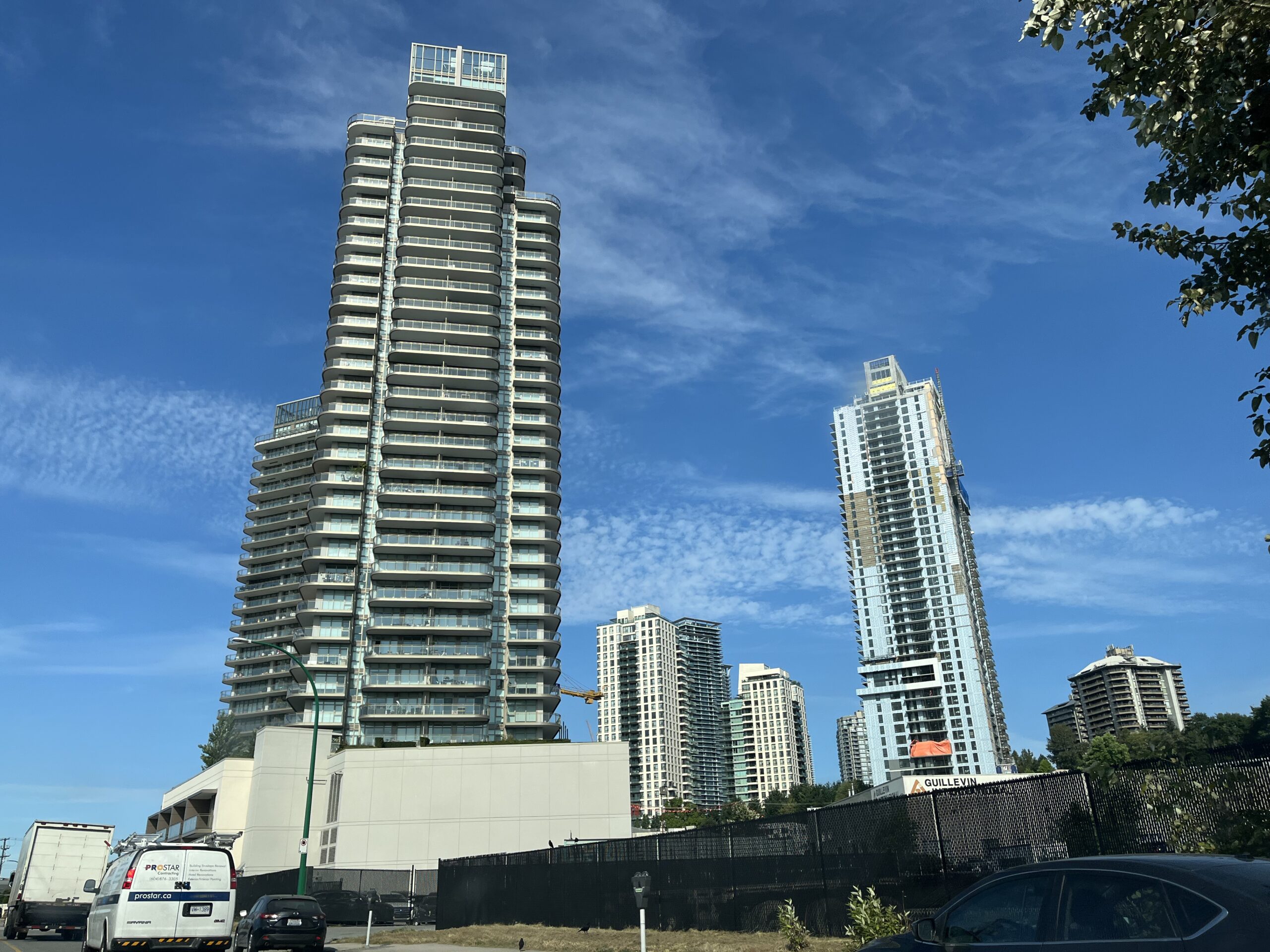
Pricing a home is one of the most important parts of the selling process.
Set the price too high, and the property may sit on the market with fewer showings and less buyer interest. Set it too low, and you may leave money on the table. That is why pricing is not guesswork. It is a strategy.
A good Vancouver realtor does not just pick a number based on instinct. They use a comparative market analysis, recent sales, local market trends, buyer behavior, and property-specific details to arrive at a smart pricing strategy.
In the Vancouver real estate market, the right price can make a huge difference.
Why Pricing a Home Correctly Matters So Much
The price of a home affects everything.
It shapes how buyers see the property. It influences how many showings you get. It affects whether the home feels competitive, overpriced, or underpriced. It can even determine whether you attract multiple offers or struggle to generate interest.
In a busy real estate market, home sellers often think the highest asking price will lead to the highest selling price. But that is not always true.
A strong pricing approach is about finding the right price for the current market, not just choosing the biggest number.
What Vancouver Realtors Actually Look At Before Setting a Price
Before recommending a listing price, a Vancouver realtor usually starts with a discovery meeting and home evaluation.
This gives them a clear idea of the property, its condition, upgrades, layout, location, and special features. It also helps them understand the seller’s goals, timeline, and market timing.
From there, the agent begins a deeper market analysis.
They typically review:
- recent sales
- comparable properties
- comparable listings
- similar homes currently on the market
- properties sold recently
- similar square footage
- neighborhood demand
- current market conditions
- local market trends
- broader market trends
- interest rates
- buyer activity
This is how they can move from opinion to strategy.
If you are looking for realtor recommendations, check out our Best Realtors in Vancouver list here.
Comparative Market Analysis
One of the main tools realtors use is a comparative market analysis, often called a comparative market analysis CMA.
A comparative market analysis compares the home to similar properties that have sold recently, properties currently for sale, and sometimes homes that did not sell. This helps the realtor understand where the property fits in the local real estate market.
A good comparative market analysis looks at more than just size.
It also considers:
- location
- property type
- condition
- age
- upgrades
- lot size
- square footage
- layout
- views
- special features
- buyer demand
The goal is to estimate market value and fair market value as accurately as possible based on real sales data.
Market Value
Market value is what a buyer is realistically willing to pay for a property in the current market.
That is different from what the seller hopes to get. It is also different from assessed value.
A home’s market value depends on many factors, including current market conditions, recent sales, local market trends, and how the property compares to other similar homes.
This is why a Vancouver realtor’s market knowledge matters.
Two homes may look similar on paper, but if one has better curb appeal, stronger updates, or a more desirable location, its market value may be higher. The reverse is also true.
Fair Market Value
Fair market value is closely related to market value.
In simple terms, fair market value is the price a knowledgeable buyer would reasonably pay and a motivated seller would accept in an open and competitive market.
This is the number sellers should focus on.
Not the number that sounds best.
Not the number that feels emotionally satisfying.
Not the number based on what a neighbor once got during a different phase of the market.
A realtor’s job is to help sellers understand fair market value in the context of today’s market.
Why the Asking Price and Selling Price Are Not Always the Same
Many home sellers assume the asking price should match the final selling price.
That is not always how the real estate market works.
Sometimes the asking price is set right at fair market value to attract serious buyers quickly. Other times, the listing price is intentionally set a little lower to attract buyers, create urgency, and encourage multiple offers in a seller’s market.
In other situations, the asking price may be set higher because the seller wants room to negotiate.
The point is this: the asking price is part of the pricing strategy.
It is not always the same as market value, and it is not a guarantee of the final selling price.
Listing Price
The listing price is one of the most important decisions in the selling process.
A strong listing price should reflect the home’s value, current market conditions, comparable sales, and the overall pricing approach the realtor recommends.
A Vancouver realtor may choose a competitive price to generate more attention, especially if the goal is to attract buyers quickly and create competitive situations.
Or they may choose a more direct pricing strategy based on the current market, the property’s uniqueness, and the seller’s timeline.
Either way, the listing price should always have a purpose behind it.
Asking Price
The asking price is what buyers first see.
That means it has a major effect on buyer psychology.
If the asking price feels too high for the area, buyers may skip the listing entirely. If it feels sharp and competitive, it may create stronger traffic, more showings, and more urgency.
In the Vancouver real estate market, many buyers are well informed. They are watching comparable properties, recent sales, and local market trends closely. Many are pre approved and ready to move quickly.
That means your asking price needs to make sense in the eyes of the market.
Selling Price
The selling price is the final number the property actually sells for.
This may be above asking, below asking, or right at asking depending on market conditions, buyer interest, comparable sales, and the overall pricing strategy.
A home can have a modest asking price and still achieve a higher selling price if it attracts strong attention and multiple offers.
On the other hand, a home priced too aggressively may sit longer, lose momentum, and eventually sell for less than it might have if it had been priced properly from the start.
This is why pricing is so important.
A smart pricing strategy is often what leads to the best price in the end.
How Market Trends Affect Pricing Strategy
Market trends matter a lot when pricing a property.
A Vancouver realtor looks at whether the market is moving up, slowing down, or becoming more balanced. They also look at local market trends in specific neighborhoods and property segments.
For example, condos and detached homes do not always behave the same way.
Neither do all parts of Vancouver.
A strong market analysis should account for:
- recent price trends
- buyer demand
- seasonal trends
- inventory levels
- interest rates
- number of comparable listings
- properties sold in the area
- seller competition
All of these factors influence what buyers are willing to pay and how quickly a property may sell.
Why Comparable Properties Matter So Much
Comparable properties are one of the foundations of pricing.
These are similar properties that help the realtor understand how the subject property fits into the market. The most useful comparable properties are those that are similar in location, property type, square footage, condition, and overall appeal.
A realtor may also look at comparable sales involving homes that sold recently, similar homes currently listed, and even listings that expired.
That bigger picture helps determine:
- what buyers are responding to
- what price points are working
- what homes are sitting
- where the property should be positioned
This is how identifying comparable properties leads to a more accurate home evaluation.
Assessed Value Is Not the Same as Market Value
This is a common mistake among sellers.
Many people assume assessed value tells them what their home is worth in the real estate market. But assessed value is not the same as market value or fair market value.
Assessed value may be useful as a reference point, but it does not fully reflect current market conditions, buyer demand, or the actual behavior of the local market.
A professional home valuation done by an experienced Vancouver realtor is usually much more useful when setting a real listing price.
Professional Home Valuation
A professional home valuation goes beyond online estimates.
It looks at the actual property, the current market, comparable sales, the home’s value in context, and the strategy needed to attract buyers.
This is why many realtors offer a free market evaluation or home evaluation before listing. It gives sellers a clearer picture of the home’s true value and helps build a pricing strategy based on evidence, not assumptions.
For Vancouver home sellers, this can be one of the most valuable first steps.
Real Estate Board Data and Local Knowledge
A realtor also relies on data from the real estate board, current listings, recent sales, and day-to-day market knowledge.
Data matters, but so does interpretation.
Two agents can look at the same sales data and come to different conclusions depending on their experience, pricing approach, and understanding of buyer behavior. That is why working with an experienced Vancouver realtor matters.
The best realtors combine hard numbers with local insight.
They know what buyers in the neighborhood are responding to, how the local housing market is shifting, and what strategy is most likely to lead to a strong final selling price.
What Home Sellers Should Remember
For home sellers, pricing is not about chasing the highest number possible.
It is about choosing a price that fits the market, attracts buyers, and creates the best opportunity to sell well.
That may mean pricing at fair market value.
It may mean pricing just below a psychological threshold.
It may mean using a more aggressive pricing strategy in a seller’s market to encourage a bidding war.
The right strategy depends on the property, the market, and the seller’s goals.
Final Thoughts
So how do Vancouver realtors price homes?
They do it through research, strategy, and market analysis.
They study comparable sales, comparable properties, recent sales, current market conditions, and buyer behavior. They use a comparative market analysis to estimate fair market value and help sellers choose a listing price that gives the property the best chance to succeed.
In the Vancouver real estate market, pricing is never just a number.
It is one of the biggest factors shaping how a home performs once it hits the market. And when done well, it can make the difference between a listing that sits and a property that sells at the right time and the right price.
Related links:
Where Are the Best Areas to Live in Vancouver for Young Professionals?
10 Surprising Factors That Can Affect a Home Appraisal
Renovation Costs Per Square Foot Vancouver: What You Need to Know Before You Build or Remodel
Moving to a New House With a Toddler: How to Make the Transition Smoother
Best Schools in Vancouver by Neighbourhood (Public & Private)

My name is Jay, a longtime Metro Vancouverite sharing local real estate tips and my own photos of the city’s homes and neighbourhoods here on Vancouver Home Hub. Hope you find my blog useful! Feel free to reach out anytime at vancouverhomehub@gmail.com if you have questions.
Leave a Reply