
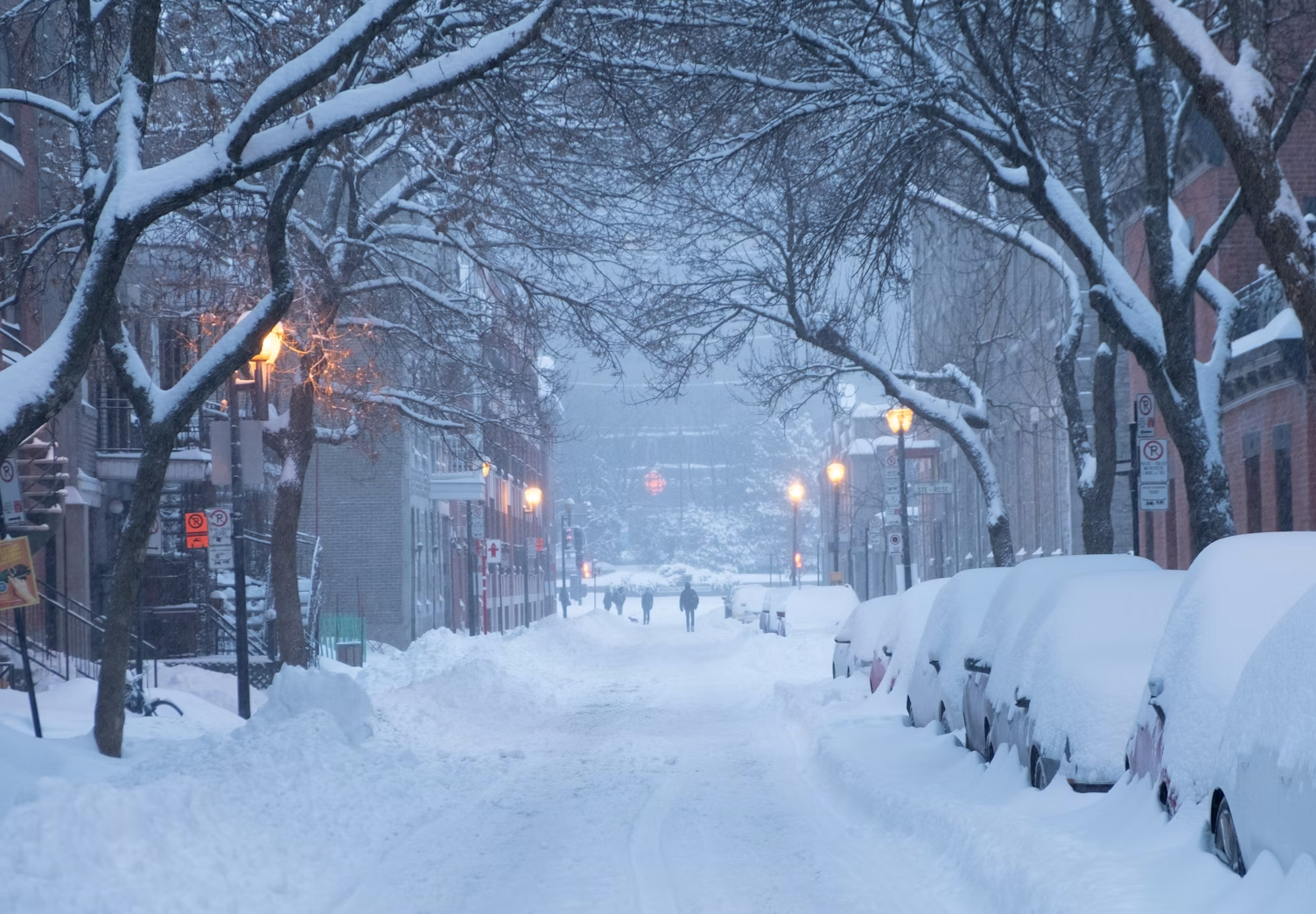
A deck is more than just an outdoor feature, it’s an investment in your home and lifestyle. In Vancouver and across Canada, decks face a lot of challenges, especially during long, wet, and cold winters. Choosing the right materials upfront can save you maintenance headaches and ensure your deck remains safe and attractive for years to come.
Let’s look at what you need to consider when selecting deck materials that can handle Canadian winters.
Understanding the Winter Challenges
Canadian winters can be tough on outdoor spaces. Snow, ice, and heavy rainfall can cause wood to warp, crack, or rot. Freeze-thaw cycles put stress on fasteners, while constant moisture encourages mold and mildew growth. Even well-built decks can deteriorate quickly if the materials aren’t suited to these conditions.
Knowing what your deck will face helps you make smarter material choices and plan for proper maintenance.
Wood Decking: Natural Beauty With Extra Care
Traditional wood decking, such as cedar or pressure-treated pine, offers warmth and natural appeal. In Vancouver, where winters are wet but rarely extremely cold, wood can last if maintained properly.
Things to consider:
- Regular sealing or staining to prevent water damage
- Inspecting for cracks or loose boards in spring
- Using corrosion-resistant fasteners to avoid rust
Wood can be beautiful, but it requires ongoing attention to survive Canadian winters. If you enjoy the natural look and are willing to invest some time, it can be a great choice.
How Home Improvements Like Decking Influence What a Realtor Earns
A realtor’s commission is directly tied to your final sale price, which is why upgrades that increase value matter. Outdoor features, especially decks that hold up in Canadian winters, can influence how buyers perceive your home. In wet climates like Vancouver, durable decking materials can make a difference in both appeal and long-term value. A well-maintained deck reduces buyer hesitation, while a weather-damaged one can drag down offers or lead to price negotiations.
Choosing winter-ready materials like composite or PVC over traditional wood can help preserve value and limit repair concerns for buyers, which ultimately supports a stronger sale price and, in turn, a higher commission earned on the transaction.
Read more about How Much Does a Realtor Make on a $500,000 Sale?
Composite Decking: Low Maintenance and Winter-Ready
Composite decking combines wood fibers and recycled plastic, creating a material that resists rot, warping, and fading. It’s especially popular in Vancouver and other wet climates because it handles moisture better than wood.
Benefits of composite decking in Canadian winters:
- Won’t warp or splinter in wet conditions
- Resistant to mold and mildew
- Often comes with long warranties (10–25 years)
- Minimal maintenance—usually just occasional cleaning
Composite decking may cost more upfront, but it often pays off by saving time and avoiding winter repairs.
PVC and Other Synthetic Decking Options
Fully synthetic PVC decking is even more resistant to water and cold than composite. These materials are extremely low maintenance, won’t absorb moisture, and rarely fade. They can be a good choice for homeowners looking for long-term durability with minimal effort.
Keep in mind: PVC decking can be more expensive, and some homeowners find it less natural-looking than wood or composite. But for extreme wet climates, it’s one of the most winter-proof options available.
Planning for Snow and Ice
Even the most durable deck needs some winter care:
- Remove heavy snow with a plastic shovel to prevent scratches
- Avoid salt or harsh chemicals that can damage decking surfaces
- Check fasteners and railings for stability after storms
These small steps go a long way in protecting your investment and keeping your deck safe.
Understanding Vancouver Homes and Wet-Climate Challenges
The best Vancouver realtors understand more than pricing and negotiations — they also know how local climate affects properties. Vancouver’s rainy winters take a toll on decks, siding, and outdoor features, and buyers often look closely at how well a home has held up. Realtors who recognize signs of weather damage, poor material choices, or long-term maintenance issues can better advise sellers on pricing and help buyers avoid costly surprises.
Features like winter-resistant decking, mold-resistant materials, and durable outdoor finishes often make a home more attractive in this market — and experienced local agents know how to highlight those advantages during showings.
A realtor who understands how Vancouver weather impacts homes is better positioned to market pr
Final Thoughts
When choosing deck materials in Vancouver or anywhere in Canada, think long-term. Spending a little more on durable materials like composite or PVC will save money and stress down the line. Wood can still work if you commit to proper maintenance.
A well-built, winter-ready deck can provide years of enjoyment, extend your living space, and even add value to your home. By planning for the climate upfront, you’ll be able to relax outdoors no matter the season.

My name is Jay, a longtime Metro Vancouverite sharing local real estate tips and my own photos of the city’s homes and neighbourhoods here on Vancouver Home Hub. Hope you find my blog useful! Feel free to reach out anytime at vancouverhomehub@gmail.com if you have questions.
Leave a Reply