
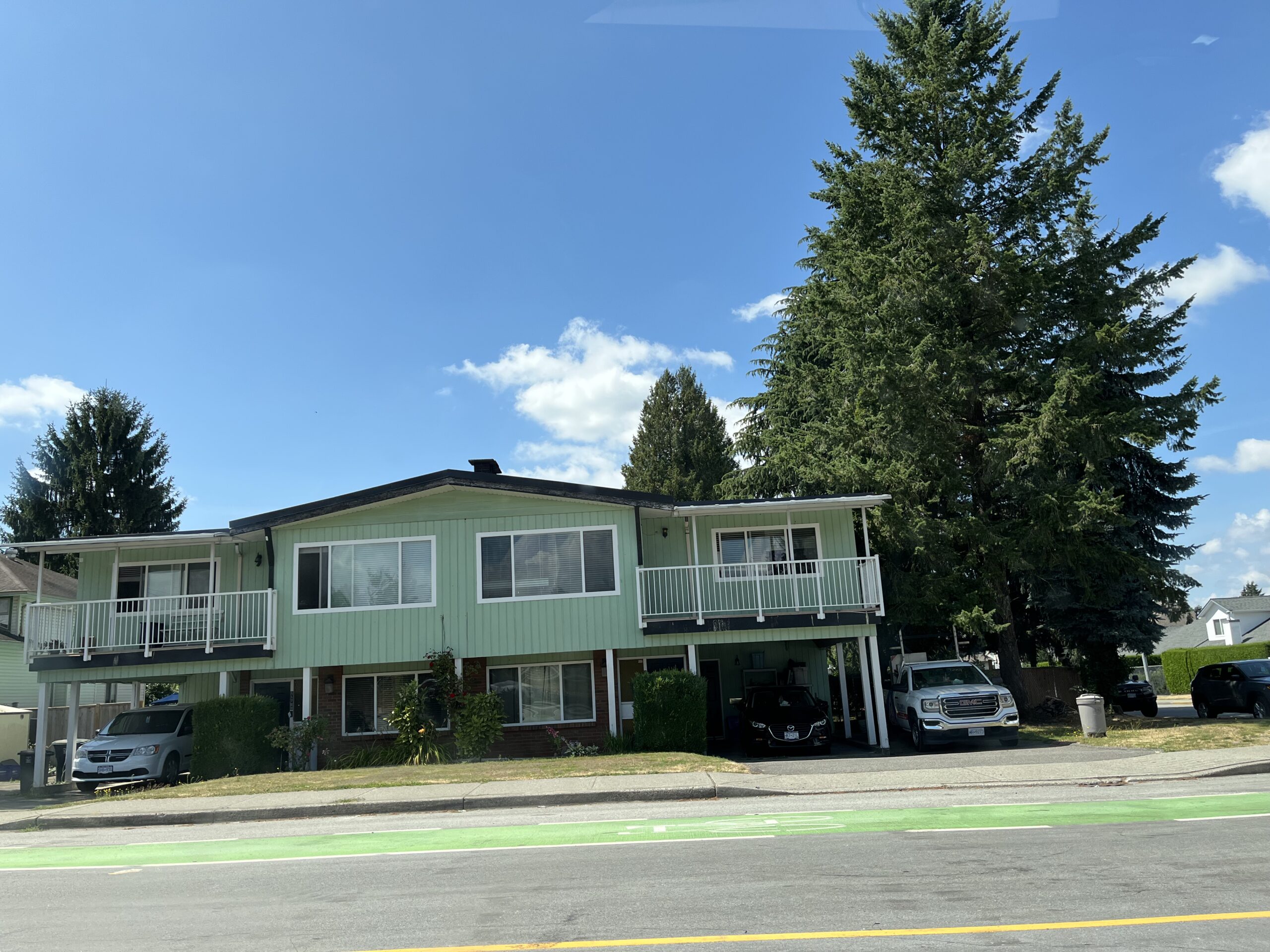
Building a custom home in Vancouver sounds exciting, and honestly, it is.
You get to imagine the way your family will live. You get to think about the kitchen, the windows, the bedrooms, the storage, the views, the materials, and all the little finishing touches that make a house feel personal. For many homeowners, a custom home is the chance to create a dream home instead of adjusting life around an existing layout.
But building in Vancouver is also a serious project.
Between land, permits, construction cost, building codes, custom home builders, soft costs, architectural design, and the construction phase itself, there is a lot to understand before you start. A custom home project can be beautiful and rewarding, but it also needs careful planning and realistic expectations.
This guide is a practical step by step guide to what you should know before building a custom home in Vancouver.
Read more: TM Wander at Tsawwassen Mills: A Complete Guide to Metro Vancouver’s New Asian Food Hall
Start With the Reality of Building in Vancouver
Vancouver is a beautiful city, but it is not always an easy city to build in.
Land is expensive. Lots can be narrow. Some properties are sloped. Older homes may need demolition before a new build can begin. In areas like West Vancouver, rock blasting, views, access, drainage, and steep sites can all affect the budget and timeline.
This does not mean building a custom home is a bad idea. It just means the planning stage matters.
Before you fall in love with a design, you need to understand the property, local zoning laws, permit process, site conditions, and full cost of construction. A perfect custom home on paper still has to work with the land, the city, and the budget.
That is why the early research is so important. The more you understand before starting, the fewer surprises you may face later.
Custom Home Building Is Different From Buying Existing Homes
Buying existing homes and building a custom home are completely different experiences.
With an existing home, you can walk through the house, see the rooms, inspect the property, compare the price, and decide if the layout works for your life. There may be renovation needs, but the main structure already exists.
With custom home building, you are creating something from the beginning.
That gives you more freedom, but also more responsibility. You have to make design decisions, review detailed plans, understand the cost per square foot, choose materials, work with custom home builders, and move through the permit process before construction even begins.
A custom build can give you a home that fits your unique lifestyle, but it usually requires more patience than buying an existing house.
Choose the Right Custom Home Builders Early
The builder you choose can shape the entire custom home project.
Good custom home builders do more than coordinate construction. They help you understand cost, timelines, materials, quality, permits, and practical concerns before they become problems.
When researching Vancouver custom home builders, look for a proven track record. Review past projects. Ask about similar new builds. Look at the quality of their finished work. Pay attention to whether their homes match the level of craftsmanship and design you want.
A builder with experience in Vancouver custom home construction should understand building codes, local zoning laws, city requirements, site conditions, energy efficiency expectations, and the permit process.
The right builder should also communicate clearly. Building a custom home involves many moving parts, and homeowners need regular updates to feel confident.
Understand the Building Permit and Permit Process
Before construction can start, you will likely need a building permit and other necessary permits.
In Vancouver, permits are not just paperwork. They are a major part of the process. The city reviews plans to make sure the project meets building code requirements, zoning rules, safety standards, and other regulations.
Depending on the property and project, you may also need demolition permits, development permits, tree permits, trade permits, or other approvals.
This is one of the key steps where your builder, architect, and consultants play a crucial role. They help prepare drawings, submit applications, respond to city comments, and keep the project moving.
The permit process can take time, so it should be built into your schedule from the beginning. If you assume permits will be quick and simple, the project may feel frustrating before construction even starts.
Read more: How to Choose a Custom Home Builder in Vancouver
Building Codes and Code Requirements Matter
Building codes are there to protect safety, health, accessibility, structure, and performance.
For custom home building, this means your home needs to meet current building code requirements for things like structure, fire safety, stairs, insulation, ventilation, energy performance, and more.
In Vancouver, homeowners also need to pay attention to energy and carbon requirements. Energy efficiency is not just a nice bonus anymore. It is part of modern home building.
A good builder and architect should understand the code requirements that apply to your custom home in Vancouver. They should also explain how these rules may affect the design, materials, mechanical systems, and cost.
This is another reason not to rely only on inspiration photos. A dream home has to meet real building standards before it can become reality.
Budget for More Than the Construction Cost
One of the biggest mistakes homeowners make is thinking only about the construction cost.
The full cost of building a custom home includes much more.
You need to consider land, demolition, design fees, engineering, permits, surveys, consultants, utility connections, site preparation, landscaping, insurance, financing, taxes, and soft costs. Soft costs can include architectural design, interior design, legal fees, permits, reports, and professional services.
Then there are hard costs, which are the direct construction costs such as concrete, framing, roofing, windows, plumbing, electrical, insulation, drywall, flooring, cabinetry, fixtures, and materials.
There can also be hidden costs. These may come from poor soil, drainage problems, rock blasting, retaining walls, weather delays, material price changes, or design revisions.
The more realistic your budget is from the beginning, the easier the process becomes.
Cost Per Square Foot Is Helpful, But Not Perfect
Many homeowners ask about the cost per square foot when building a custom home.
It is a useful starting point, but it does not tell the whole story.
A simple 2,500 sq ft house on a flat lot will not cost the same as a 2,500 sq ft luxury estate in West Vancouver with slope challenges, ocean views, custom millwork, high end finishes, and complex engineering.
The cost per square foot depends on many factors, including site conditions, design complexity, materials, labour, permits, finishes, and the builder’s process.
This is why two custom homes with the same square foot size can have very different budgets.
Use sq ft pricing as a rough guide, not as the final answer. A detailed estimate based on real plans will always be more useful.
Architectural Design Comes Before the Dream Becomes Real
Architectural design is where the dream starts becoming a real plan.
This stage includes the layout, exterior form, room sizes, windows, rooflines, flow, light, storage, and how the house sits on the land. It is where your ideas start turning into detailed plans.
This is also where reality enters the conversation.
A design may look beautiful, but it still needs to work with the property, budget, building codes, permits, engineering, and construction methods. Good architectural design balances beauty with buildability.
If you want additional living space, a legal suite, a home office, a larger kitchen, or special family spaces, this is the stage where those priorities should be discussed clearly.
The more detailed the plans are before construction starts, the fewer expensive changes you may face later.
Think About Interior Design Early
Interior design should not be left until the final touches.
In a custom home, interior design affects layout, lighting, electrical planning, cabinetry, custom millwork, materials, storage, fixtures, and the way the rooms feel.
If you wait too long, you may find that some choices are harder or more expensive to change during the construction phase.
For example, if you want built-in shelving, specialty lighting, large kitchen storage, a dramatic fireplace wall, or smart home technologies, those ideas may affect framing, electrical, HVAC, and finishing details.
Good planning helps your custom home feel intentional instead of pieced together at the end.
Energy Efficiency and Smart Home Technologies
Energy efficiency is an important part of modern custom home building in Vancouver.
A new custom home can include better insulation, efficient windows, air sealing, ventilation, heat pumps, and energy efficient features that help improve comfort and performance.
Smart home technologies can also be included from the beginning. This might include lighting controls, security systems, smart thermostats, automated blinds, EV charging, or integrated audio.
The benefit of planning these features early is that they can be built into the home properly. It is usually easier to plan wiring, systems, and mechanical needs before walls are closed.
A well planned custom home should not just look good. It should work well for daily life.
Quality Assurance During the Construction Phase
The construction phase is where the plans become a real house.
This stage includes excavation, foundation, framing, roofing, windows, mechanical systems, insulation, drywall, finishes, and final details. It is also where quality assurance becomes extremely important.
A good builder should have systems for checking work, coordinating trades, managing materials, and keeping the project aligned with high standards.
Ask your builder how they handle inspections, site supervision, communication, and quality checks. Ask who visits the site, how often updates are provided, and how concerns are handled.
The construction phase can be exciting, but it can also be stressful. Clear communication and strong project management make a big difference.
High End Finishes Can Change the Budget Quickly
Finishing touches are where many budgets start to stretch.
Flooring, tile, lighting, appliances, plumbing fixtures, cabinetry, countertops, hardware, doors, paint, and custom millwork can all change the final cost.
High end finishes can make a custom home feel beautiful, but they need to be planned carefully. If the budget does not allow for everything, choose the areas where quality matters most to you.
For example, some homeowners prioritize the kitchen, windows, flooring, and bathrooms. Others care more about outdoor spaces, built-ins, or smart home technologies.
The goal is not to spend money everywhere. The goal is to make thoughtful choices that support your life and long term value.
Your Custom Home Should Fit Your Family
A custom home is not just a design project. It is a life project.
Think about how your family actually lives. Do you need quiet work areas? Do you host often? Do you want bedrooms close together or separated? Do you need storage for sports equipment, kids’ items, hobbies, or aging parents? Do you want indoor-outdoor connection? Do you need privacy?
The best Vancouver custom home is not always the biggest or most expensive. It is the one that fits your family, your routines, and your future.
This is where custom building becomes special. You are not just copying another house. You are creating a home around your own life.
Read more: Do Electrical Upgrades Increase Home Value in Vancouver?
Quick Summary: Key Factors to Know Before You Build
Before building a custom home in Vancouver, think carefully about these key factors:
- The land and site conditions
- Local zoning laws and code requirements
- The building permit and permit process
- Your full budget, including hard costs and soft costs
- Your builder’s track record and past projects
- Architectural design and detailed plans
- Energy efficiency and smart home technologies
- Materials, high end finishes, and final touches
- Construction phase communication and quality assurance
- Long term value for your family and property
A custom home can be a wonderful investment, but it works best when the planning is honest from the beginning.
Final Thoughts
So, what should you know before building a custom home in Vancouver?
You should know that it is exciting, but not simple.
You should know that the budget needs room for more than construction. You should know that permits, building codes, land conditions, and city requirements can shape the entire project. You should know that the right builder, architect, and team can make the process much smoother.
Most of all, you should know that building a custom home is about turning a dream into something real.
That takes time, money, patience, and trust.
But when it is done well, the result can be more than a house. It can be a home built around your life, your family, and the way you want to live in Vancouver.
If you’re planning your next move in the Vancouver housing market, check out our guides on renting vs. buying in Vancouver, finding the best realtors in Vancouver, and use our home cost calculator and rent vs. buy calculator to compare your options.
FAQ
What should I know before building a custom home in Vancouver?
You should understand the land, budget, permits, building codes, construction cost, soft costs, custom home builders, design process, and timeline before starting. Building a custom home in Vancouver requires careful planning and realistic expectations.
How much does it cost to build a custom home in Vancouver?
The cost depends on square foot size, land conditions, materials, design complexity, permits, builder, and finishes. A simple custom home will cost less than a luxury estate with high end finishes, custom millwork, and complex site work.
Do I need a building permit for a custom home in Vancouver?
Yes, a new custom home will generally require a building permit and may also need other necessary permits depending on the project. Your builder, architect, or general contractor can help guide you through the permit process.
How long does custom home building take?
Timelines vary based on design, permits, construction, site conditions, and material availability. The permit process and planning stage can take significant time before the construction phase begins.
What are soft costs in custom home building?
Soft costs are expenses that are not direct construction labour or materials. They can include architectural design, engineering, permits, surveys, consultants, legal fees, financing costs, and interior design services.
What are hard costs in a custom home project?
Hard costs are the direct construction costs of building the home. These include foundation work, framing, roofing, windows, plumbing, electrical, insulation, drywall, flooring, cabinetry, fixtures, and other materials.
Should I buy land before hiring a builder?
It can be helpful to speak with a builder before buying land. A builder can identify site concerns, zoning issues, access problems, rock blasting risks, utility needs, and other factors that may affect your budget.
Why is West Vancouver more complex for custom homes?
West Vancouver properties can involve slopes, views, rock blasting, drainage issues, access challenges, and higher expectations for luxury estate design. These factors can affect construction cost, permits, and timeline.
Are energy efficient features worth including?
Yes, energy efficient features can improve comfort, performance, and long term value. Efficient windows, insulation, ventilation, heat pumps, and smart home technologies can make the home more practical for daily life.
How do I choose the right custom home builders?
Look for custom home builders with a proven track record, strong past projects, clear communication, local Vancouver experience, quality assurance systems, and the ability to explain cost, permits, and the building process clearly.

My name is Jay, a longtime Metro Vancouverite sharing local real estate tips and my own photos of the city’s homes and neighbourhoods here on Vancouver Home Hub. Hope you find my blog useful! Feel free to reach out anytime at vancouverhomehub@gmail.com if you have questions.
Leave a Reply